Storage regulations in Greater NYC can feel complicated because rules come from New York State, local municipalities, and each facility’s rental agreement. In this guide, we break down common storage unit laws in New York and explain what they mean for access, security, and climate-controlled storage in Greater NYC.
Whether you’re storing household items, business inventory, or records, understanding the basics helps you avoid surprises and choose a facility that fits your schedule and storage needs.
Why Do Storage Regulations in Greater NYC Matter for Everyday Renters?
Most renters don’t run into legal issues with storage, but regulations still affect day-to-day details like acceptable items, identification requirements, access procedures, and what happens if a payment is missed. In a dense region like Greater New York City, rules also tend to be stricter around safety, building codes, and property security.
If you’re comparing options, it helps to start with a local overview like Garden City NY storage solutions and then confirm how access and security are handled for your specific storage plan.
What Storage Unit Laws in New York Typically Cover
Storage unit laws in New York generally focus on the relationship between the facility and the tenant, plus safety requirements that protect people and property. While we’re not offering legal advice, these are common areas you’ll see addressed in state rules and rental agreements.
Rental agreements and required tenant information (like a valid ID) Payment terms, late fees, and how default is handled Facility rights and tenant responsibilities (including unit use restrictions) Safety rules, including limits on hazardous or illegal items Access procedures, gate/door policies, and security expectations
Before moving in, it’s also smart to review practical access tips so you can plan how you’ll use the space. A helpful next read is organizing your storage unit for easy stress free access.
How Does Self-Storage Access in Garden City, NY Usually Work?
Self-storage access in Garden City, NY usually works through set facility access hours, identity verification, and on-site security procedures such as gated entry or monitored corridors. In practice, you’ll want to confirm the access schedule, any holiday changes, and whether access is different for certain unit types.
For local renters looking for a nearby option with clear expectations, starting with start renting self storage Garden City NY now guide can help you understand the typical move-in process and how to prepare.
Can a Storage Facility Limit When You Can Access Your Unit?
Yes. Most facilities can set access hours and require tenants to follow on-site procedures for entry and safety. That means your ability to access a unit is tied to published hours, security policies, and your account status. If you need frequent visits, confirm access details before signing and choose a setup that matches your schedule.
Access limits aren’t necessarily a negative; they often support secure storage in Garden City, NY by reducing unauthorized entry and keeping on-site activity predictable.
Key Definition: What Does “Climate-Controlled Storage” Mean in Greater NYC?
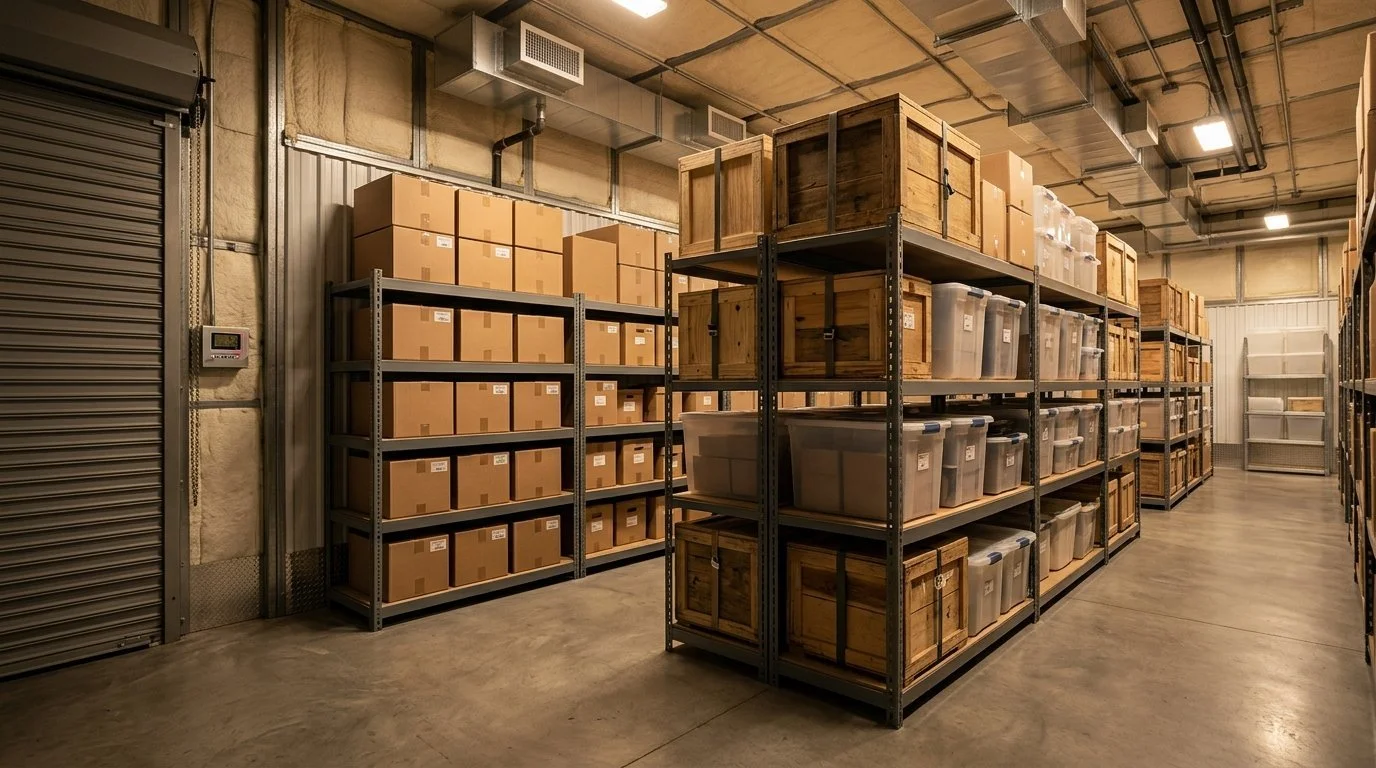
Climate-controlled storage in Greater NYC is a storage unit environment where temperature (and sometimes humidity) is kept within a safer range than outdoor or non-controlled spaces. This can reduce the risk of warping, cracking, mold, and other damage that can happen with seasonal heat, cold snaps, and humidity.
Climate control is especially relevant for papers, photos, electronics, wood furniture, clothing, and business records. If you’re storing sensitive records, you may also want to explore related best practices like secure document storage and digitization considerations.
What Items Are Commonly Restricted Under Storage Regulations in Greater NYC?
Restrictions can vary by facility, but many policies are consistent across the region due to safety and property rules. In general, storage is designed for household goods and business items—not dangerous materials.
Flammables (gasoline, propane tanks, fireworks) Hazardous chemicals and toxic materials Perishables and food that can attract pests Illegal items or stolen property Living things (plants, animals) and “living in a unit” use
If you’re unsure about something specific (like tools, batteries, or certain cleaning products), ask before move-in so you don’t risk a policy violation that could affect access.
Security Expectations: What Counts as Secure Storage in Garden City, NY?
Secure storage in Garden City, NY typically combines physical security (controlled entry points, quality locks, well-lit areas) with procedural security (ID checks, clear tenant policies, and monitored operations). The goal is to reduce unauthorized access and keep the property safe for everyone.
If security is a top concern—especially for business equipment or records—compare facilities using a checklist of features and practices. You can also review what modern facilities often consider essential in essential security features in modern storage solutions.
Do You Need Insurance to Rent a Storage Unit in New York?
Many facilities require some form of coverage, while others strongly recommend it. Insurance expectations are often spelled out in the rental agreement, including what the facility is (and is not) responsible for.
Even if it’s not required, insurance can be a practical safeguard when you’re storing higher-value items. If you’re storing for a business, consider reading how secure storage supports small businesses and compliance to think through risk and organization.
Late Payments, Liens, and Auctions: What Happens If You Miss a Payment?
Most storage agreements outline a step-by-step process: late fees, notices, restricted access, and—if the balance remains unpaid—possible enforcement actions allowed under storage unit laws in New York. The details depend on your contract and applicable rules, so it’s important to read the agreement and keep contact information up to date.
If you’re planning short-term storage during a move or transition, setting reminders and choosing a unit size you can comfortably afford can help prevent issues. For move-related planning, creating a stress free moving experience with proper storage offers practical ways to reduce last-minute pressure.
How to Stay Compliant and Keep Access Simple
Most compliance problems are avoidable with a little planning. If your goal is reliable access without hassles, focus on these basics:
Bring the required ID and complete paperwork accurately Store only permitted items and pack to prevent leaks or odors Label bins and leave walkways so you can reach items quickly Use a sturdy lock and follow facility security procedures Set auto-pay or calendar reminders to avoid late-payment access holds
For renters serving different boroughs or commuting between home and work, it can also help to review nearby options within the region, such as Queens NY storage solutions, to find a location that better matches your routine.
Next Steps: Choose a Facility That Matches Greater NYC Rules and Your Schedule
Storage regulations in Greater NYC are easiest to manage when you pick a facility with clear policies, strong security habits, and access hours that fit how you actually live and work. If you want help choosing the right setup—whether you need climate-controlled storage in Greater NYC or dependable self-storage access in Garden City, NY—we’re here to answer questions and walk through options.
Call us at 516-794-7300 to talk through your needs, or reach out through our contact us page. If you’re ready to price out a unit, you can also request a free quote and we’ll help you find a clean, secure solution that works for your timeline.
Common Questions About Storage Regulations and Access in Greater New York City
Are storage regulations in Greater NYC the same in every neighborhood?
Not always. Many core rules come from New York State and your rental agreement, but local building requirements, property layouts, and security practices can vary by municipality and facility. The best approach is to compare access hours, item restrictions, and security features in writing before you move in.
What should I bring when renting a unit to avoid access delays?
Most facilities ask for a government-issued photo ID and signed rental paperwork. You may also need a payment method for your first month and any administrative fees or deposits listed in the agreement. Bringing a list of what you plan to store can help staff confirm any restrictions upfront.
Is climate-controlled storage in Greater NYC worth it for everyday household items?
It depends on what you’re storing and how long you’ll store it. Climate control is often a good fit for wood furniture, electronics, photos, documents, clothing, and anything that can be damaged by humidity or temperature swings. For durable items like metal shelving or sealed plastic bins, it may be optional.
Can a facility deny self-storage access in Garden City, NY if my account is past due?
In many cases, yes. Rental agreements commonly allow facilities to restrict access when an account is delinquent, after providing notices described in the contract and required by applicable storage unit laws in New York. If you think you’ll be late, contact the facility early to discuss payment timing and avoid disruptions.
What’s the best way to improve security for my storage unit?
Start with a quality lock and avoid storing valuables in plain view near the door. Use labeled bins (without advertising high-value contents), keep an inventory list, and take quick photos of items as you pack. Also choose a facility with consistent on-site procedures and modern security features.